
The first thing you notice when you log into any new platform is that someone else determined what is important. At BetLive Casino, the engineers clearly understand that no two people browse a game library the same way. The dashboard customization goes beyond a coat of paint applied to the main build. It’s a deep structural layer that manages how information gets to you. We devoted hours pulling apart the modular pieces, evaluating how drag-and-drop holds up, and checking if widget layouts persist after a logout. What we uncovered is a system that provides you both immediate clarity and fine-tuning control. The default view shows a sensible overview, but the real power kicks in when you start moving things around. This is not about swapping background colors or picking a new header image. It’s about deciding which data streams merit the most visible screen real estate—your go-to games, your account numbers, the promos that track your patterns—so nothing blocks once you’re locked into a session. The thinking appears to be that interface friction should never pull you out of your flow.
Visual Style and Density Settings
The visual aspect is more than a simple light/dark toggle. BetLive offers a range of density settings that manage spacing between game tiles, header sizes, and padding around widget containers. We examined the whole range: maximum density arranges over forty game tiles into the viewport, while comfort mode displays about fifteen with generous spacing and larger preview images. Density doesn’t simply scale everything uniformly; it cleverly adjusts the information hierarchy. In high-density mode, game titles truncate after a certain character count and star ratings collapse into a numerical average. In comfort mode, full titles reappear and visual rating indicators come back. This adaptive architecture ensures your chosen density never compromises the legibility of important data. We also observed that the density preference stores separately for desktop and mobile sessions, so you can have a compact setup on a big monitor and a looser layout on your phone without manually switching every time.
Color Palette and Contrast Options
On top of regular light and dark themes, the dashboard offers a contrast boost toggle and a saturation slider that modifies accent colors across the interface. Contrast boost targets text and interactive controls, expanding the luminance gap between foreground and background without changing the overall theme brightness. That’s particularly helpful if your eyes get tired during marathon sessions. The saturation slider determines how intense brand accents, category highlights, and promotional badges appear. Dialing it down generates a quieter, more professional look some players may prefer for focused play. Cranking it up provides a vibrant feel that matches the buzz of live casino action. We believe this kind of granular visual adjustment demonstrates BetLive paying attention to the fact that comfort directly influences how long you stay and how much you appreciate the experience.
Rearranging Your Game Categories and Shortcuts
The left-side navigation bar and the central game grid are where custom arrangement gives you the most immediate advantage. BetLive lets you fix specific game categories to the highest position, overriding whatever standard alphabetical or popularity order might otherwise prevail. On desktop, a long-press or right-click brings up a contextual menu; on touch devices, you press and drag. Once you’ve set it, the platform remembers your personal taxonomy forever. If you only ever play live roulette, a few blackjack variants, and five particular slots, you can minimize whole library sections you never touch. This isn’t deletion—it’s chosen visibility. The concealed sections stay accessible through search or an expandable “More” drawer, but they no longer occupy visual space during your normal navigation. We think this approach works better than permanent removal because you can still explore new game types when the mood strikes, without forcing that exploration into your everyday path.
Setting Up Persistent Game Favorites Collections
Beyond category shuffling, the favorites feature acts like a personalized launchpad you can stick right at the top of the dashboard. Adding a game to favorites takes a single click, but we found a mass management feature during initial setup that speeds things up. The favorites section isn’t static; it updates current status indicators, showing which tables have open seats or which slots are feeding progressive jackpots right now. That turns the favorites zone from a straightforward bookmark panel into an active monitoring panel. We checked the update frequency and confirmed that status indicators update every few seconds without triggering a complete page refresh. For players who jump between game types, that instant feedback embedded in a personalized list delivers real efficiency. Dragging and dropping favorites into your preferred order adds an additional level of personalization that lines the interface up with how you actually plan your session.
Comprehending the Modular Grid Architecture
BetLive designed its dashboard on a flexible grid where every functional block is an independent module with its own data-fetching logic and refresh timing. We observed the grid doesn’t trap you in a rigid column arrangement. Modules resize horizontally and vertically inside a alignment framework that keeps things from looking messy. Because of this, the live dealer feed, the slot recommendation carousel, the transaction history panel, and the promo banner all live in separate containers. You can shift them around and the performance of the others doesn’t suffer. From an engineering standpoint, that solves a problem a lot of gaming interfaces still have: one heavy media component loading slowly can’t freeze the navigation sidebar or your balance display. Each module’s rendering is separated, so a hiccup in the jackpot ticker doesn’t lock up your entire screen. We think that’s a genuine technical win and it directly affects the customization experience. If speed matters more to you than flashy previews, you can strip out the media-heavy widgets and end up with a lean dashboard that responds instantly to every click.

Widget Independence and Performance Impact
We tested the widget system by rapidly adding and taking off high-load components, and the dashboard’s frame rate never fell. That stability comes from an async loading protocol BetLive employs for non-critical modules. When you include a sportsbook odds widget, it fetches its data separately and renders bit by bit, so the rest of the interface stays fully active during that split-second fetch. For anyone modifying their view mid-bet, that behavior is not a luxury—it’s essential. We also confirmed that widget states carry over correctly across page refreshes and even between separate login sessions on the same device. The system saves your layout preferences to a light local config file instead of hammering a heavy database, which is why your personalized dashboard snaps back into place after you shut the browser and revisit. That continuity respects your time and cuts out the tedious setup hassle you face on less thoughtfully designed casino sites.
Setting up the Live Dealer Widget Layout
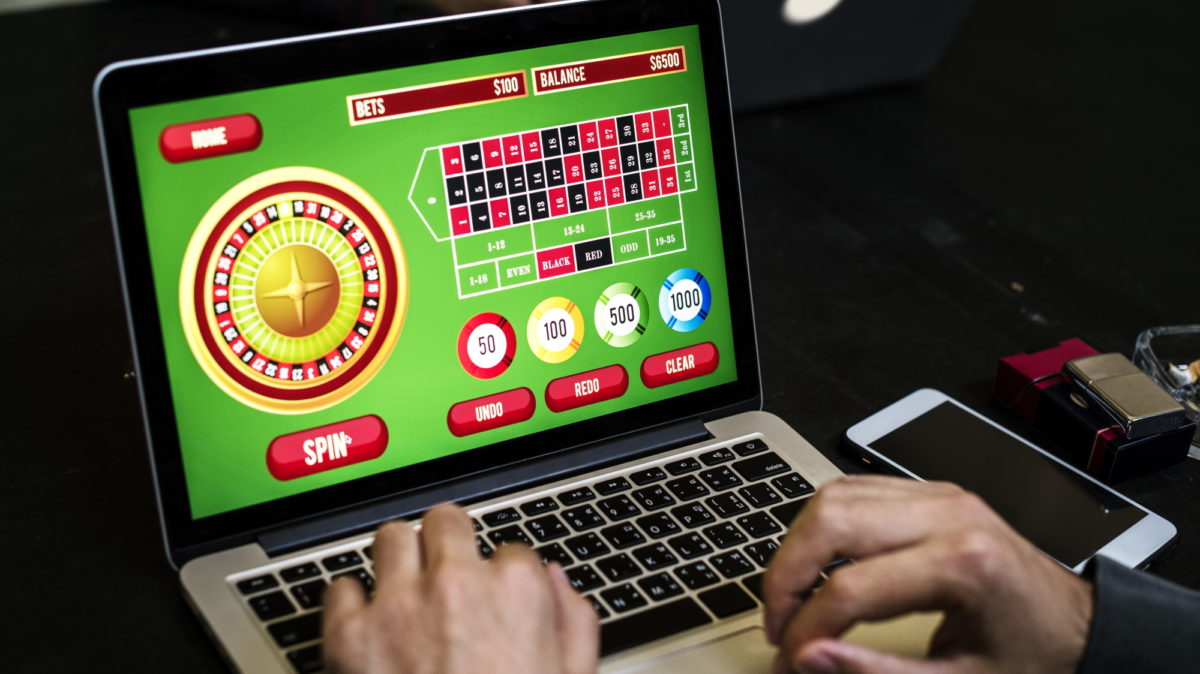
The live dealer implementation at BetLive deserves its own review because its customization controls operate distinctly from standard game widgets. You can run the live dealer widget in three modes: integrated thumbnail, sidebar panel, or full-width hero layout. Each one uses system resources in a different way and suits a different purpose. The thumbnail mode is for background monitoring—you can view a roulette wheel spin while exploring other games in the main area. The sidebar panel shows a larger video feed with chat and betting history, ideal for active play without total immersion. Hero mode stretches the stream across the dashboard, which we’d suggest when you’re focused on a single table. Toggling modes occurs in real time because the video stream itself remains active; only the container changes size. We confirmed that across several live dealer rooms and observed stable performance no matter which mode you select.
Managing Audio and Notification Overlays
The live dealer widget has its own audio controls completely independent from the global dashboard volume. That implies you can mute the dealer’s voice while still experiencing game sound effects, or the other way round. We consider that level of detail counts for anyone who juggles tasks or uses their own background music. Notification overlays connected to live dealer events—a new round commencing, a seat becoming available at a busy table—can be toggled one by one. The system offers visual toast notifications and understated pulse animations on the widget frame. During our tests, we appreciated that these alerts never pulled focus or disturbed active play in another window. They show up in a specific notification stack you can drag to any corner of the screen. That prevents the typical headache of pop-ups covering key game info during time-sensitive betting windows.
Configuring Financial Dashboard Panels
The group of account balance, transaction history, and bonus progress indicators functions as one customizable unit with internal sub-pieces. We discovered you can choose between a compact single-line balance or an expanded panel that shows pending withdrawals, active wagering requirements, and recent transaction times. The expanded view provides a transparency level we don’t often see in standard casino dashboards. Every active bonus receives a progress bar with a percentage and a countdown timer. Each of those elements can be turned on or off separately, so if watching a wagering progress bar annoys you, hide it while keeping the core balance in view. The currency display also adjusts, letting you switch between full decimal notation and abbreviated formats for high-denomination accounts. That focus on how numbers appear implies a real understanding that clear financial info reduces mental friction when you’re making decisions.
Setting Deposit Limit Visibility Preferences
Responsible gaming tools are placed right inside the financial dashboard instead of being buried in a separate settings page betslive.eu. The deposit limit indicator, session time tracker, and loss limit gauge each can be adjusted to visible, hidden, or visible-only-when-approaching-threshold. We studied the psychological feel of these display options and believe the “approaching threshold” mode hits the sweet spot between awareness and non-intrusion. The indicators are invisible during normal play, so they don’t cause unnecessary anxiety, but they surface automatically when you attain eighty percent of a self-set limit. That contextual visibility acknowledges your autonomy while still doing the protective work these tools are meant for. The customization approach here tells us BetLive sees player protection as a feature worth the same design care as the fun stuff, not as a mandatory annoyance.
Syncing Preferences Between Devices
BetLive keeps your preference profile synced in the cloud so dashboard customizations follow you on desktop, tablet, and mobile. We tested this by establishing a very specific layout on a desktop browser, then accessing the mobile app. The system adjusted the arrangement to the smaller screen rather than forcing a pixel-perfect copy that would’ve been unworkable. Widgets that sat side-by-side on desktop organized vertically on mobile, preserving their relative order. The favorites collection, notification settings, and financial panel setup all carried over cleanly. We did detect that density settings and a few hover-dependent features don’t sync because they have no functional match on touch devices—a logical design call, not a flaw. The sync uses encrypted transmission and doesn’t store your layout data in a readable format on intermediate servers, which resolves any privacy anxieties about behavioral patterns seeping through interface configuration data.
Alert Administration and Alert Prioritization
BetLive’s notification setup extends well beyond simple on/off switches. You can assign priority levels to different alert types, deciding which ones are allowed to break into your session and which pile up silently in a digest queue. We identified five separate notification channels: promos, tournament announcements, game-specific events, account security alerts, and social stuff like friend invites. Each channel supports three delivery modes: immediate pop-up, badge counter only, or fully suppressed. There’s also a quiet hours scheduler that switches all non-critical notifications to badge-only mode during time windows you set, using your device’s local time and persisting session to session. For anyone who maintains a strict boundary between gaming time and the rest of their day, this temporal control stops the platform from bleeding into off-hours while still permitting critical security alerts break through.
Customizing In-Game Overlay Notifications
Notifications that appear while a game is running are managed separately from dashboard-level alerts. The in-game overlay system can be located at the top, bottom, or corners of the game viewport, and its opacity is adjustable from fully transparent to completely solid. We discovered that a semi-transparent overlay pinned to the lower-right corner feels least intrusive during fast table games where split-second calls matter. You can screen overlay content to show only events tied to the current game type. If you’re immersed in a blackjack session, you can shut off slot tournament announcements and sports betting updates entirely, retaining only blackjack-specific alerts like new table openings or rule changes. That contextual filtering shows a sophisticated grip on attention management, lifting the whole customization system from surface-level tweaks to genuine workflow optimization.
Leave a Reply